
If you walked into a library and there was no system, no method to the madness of a couple thousand books, that would considerably hinder their usefulness. At best you would have to spend hours, if not days, looking for what you need and you may miss out on the best sources in the end.
Now, a disorganized online class is a bit less extreme than a library but the effect can be the same. I once took a class that had more the 300 pieces of content. 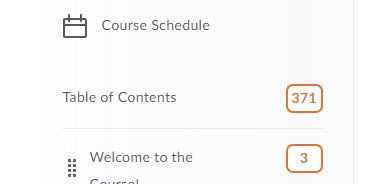
Quicknote: content in an online class can include: readings, lectures, templates, rubrics, discussions, assignments, etc.
Of those 300 pieces several were duplicates, many were mis-titled, and at least half were in the wrong section. Finding what I needed, when I needed it, often felt like walking into a library with no Dewey Decimal System. I sometimes lost hours to searching only to find what I needed wasn’t even on the platform at all and I would need to contact my instructor for them to upload it. Frustrating would be an understatement.
A good online course will have:
- content titled appropriately
- content in the correct location on the platform
- all content required for assignments and work uploaded promptly
- no unnecessary duplicates of content (or triplicates or quadruplicates…)
In general, I prefer an online class that keeps it simple with a minimum number of modules and/or weeks. That way I can easily keep track of what I have and haven’t completed and know where I am in the course.
I often tell people that the online platform (D2L, Canvas, Blackboard) is the “campus” for an online student. If it’s messy, disorganized, unpleasant to look at or work with then it’s no different than if a college’s campus were all of those things. If a school with a disorganized library isn’t good, then an online class without an organized platform isn’t good either.
 Class On-The-Go